
Counseling, psychotherapy, or talk therapy, refers to a variety of treatments that aim to help a person identify and change troubling emotions, thoughts, and behaviors. Psychotherapy can help eliminate or control troubling symptoms so a person can function better and can increase well-being and healing. Most psychotherapy takes place when a licensed mental health professional and a patient meet one-on-one or with other patients in a group setting either in-person or online.
Problems helped by psychotherapy include difficulties in coping with daily life; the impact of trauma, medical illness or loss, like the death of a loved one; and specific mental disorders, like depression or anxiety. Psychotherapy may be used in combination with medication or other therapies.
At its simplest, psychotherapy offers you the opportunity to talk about whatever is troubling you in complete confidence at the same time, on the same day, every week. This reliable framework, together with the relationship we develop together, provides a foundation for change.
We combine evidence-based techniques with a deeply human touch. We know that the best therapy happens when you feel safe, understood, and empowered. Whether we are sitting on the floor playing a game with a child or working through deep-seated patterns with an adult, our heart is always the same: helping you find your way back to balance.

Have you ever felt like a past experience is still “looping” in your mind, or that a sudden feeling of anxiety comes out of nowhere? Sometimes, our brains get “stuck” on a difficult memory, keeping the emotions and physical sensations as fresh as the day they happened.
EMDR (Eye Movement Desensitization and Reprocessing) is a gentle but powerful way to help your brain do what it does best: heal. Think of it like clearing a physical wound. Sometimes, a memory needs a little help to “digest” so it can move from being a source of pain to just being a part of your story—one that no longer has power over your present.
In a typical session, we won’t just sit and talk through every painful detail (which can sometimes feel like re-living it). Instead, we use Bilateral Stimulation—simple, rhythmic movements like watching a light move back and forth or holding gentle vibrating “tappers.”
This rhythmic movement helps “unlock” those stuck memories, allowing your brain to process them safely. It’s a bit like watching a movie of your life from a comfortable distance; you know what happened, but the “sting” begins to fade away.
You don’t have to find all the words: Sometimes, there are no words for how we feel. EMDR works with your brain’s natural processing, so you don’t have to explain everything in detail to find relief.
It’s about your strengths: We spend time building up your “internal toolbox” first, making sure you feel grounded and safe before we dive into the deeper work.
Lasting Change: We aren’t just managing symptoms; we’re helping your brain rewire how it stores those memories so you can feel lighter, calmer, and more like yourself again.
In a world that constantly asks you to be “on”—the perfect employee, the tireless parent, the supportive friend—it’s easy to lose track of your own voice. Individual therapy is your protected hour to slow down, breathe, and put yourself back on the priority list.
This isn’t about being “broken” or having all the answers. It’s about having a compassionate partner to help you navigate the messy, beautiful, and sometimes overwhelming parts of being human.
Whether you’re dealing with a specific challenge or just feel like you’ve lost your spark, individual sessions offer a tailored path forward. We focus on:
Self-Discovery: Understanding the “why” behind your reactions and uncovering the strengths you might have forgotten you have.
Managing the “Inner Critic”: Turning that voice of judgment into a voice of self-kindness.
Setting Boundaries: Learning how to say “no” to the things that drain you so you can say “yes” to the things that fill you up.
Coping with Transitions: Navigating the big “what now?” moments—like career changes, breakups, or moves.
Think of individual therapy as a collaborative roadmap.
Relationships are the heartbeat of our lives, but let’s be honest—they can also be complicated. Whether you’re navigating a rough patch in your marriage, struggling to connect with your teenager, or dealing with a “noisy” family dynamic, you don’t have to figure it out alone.
Marriage and Family Therapy isn’t about pointing fingers or deciding who is “right.” It’s about looking at the “invisible threads” that connect us. We look at the patterns, the communication habits, and the unspoken rules that might be keeping your family stuck in the same old arguments.
Think of a family like a mobile hanging over a baby’s crib. If you tug on one piece, the whole thing moves. In MFT, we don’t just look at one person as the “problem.” Instead, we look at how everyone interacts. When one person learns a new way to communicate or set a boundary, it creates a positive ripple effect for everyone else.
Our goal is to create a “brave space” where everyone feels heard. We help you:
Break the Cycle: Identify those “here we go again” arguments and learn how to stop them before they start.
Translate the Silence: Sometimes what isn’t being said is the most important part. We help bridge the gap between “I’m fine” and what’s actually going on.
Rebuild Trust: Whether it’s after a big betrayal or years of drifting apart, we provide the tools to slowly and safely reconnect.
Parent with Peace: Find common ground in your parenting styles so you can feel like a team again.
As adults, we use words to explain our feelings. But for children, their “words” are toys, art, and movement. If your child is struggling with big emotions, school stress, or a difficult change, they might not be able to tell you what’s wrong—but they show it through their behavior.
Child-Focused Therapy (often called Play Therapy) meets kids exactly where they are. In our sessions, we don’t just sit on a couch and talk. We get on the floor, we build with blocks, we draw, and we create.
To a child, a playroom is a safe world where they are in charge. When they play out a scene with puppets or build a “fortress” in the sand tray, they are actually processing their real-life experiences and practicing new ways to cope.
Emotional Regulation: Helping kids understand those “volcano feelings” and learning how to cool them down before they boil over.
Building Confidence: Using games and activities to help shy or anxious children find their “brave voice.”
Navigating Big Changes: Whether it’s a move, a new sibling, or a divorce, we provide a stable space for them to make sense of their changing world.
Parental Partnership: You are the expert on your child. We work closely with you to provide “at-home” strategies so the progress we make in the office continues in your living room.
Parents often ask, “Are they just playing?” It may look like it! But every game of “Life” or session with the dollhouse is a purposeful tool used by the therapist to:
Assess how the child views their world.
Model healthy boundaries and problem-solving.
Release pent-up stress in a safe, guided environment.
There is something incredibly powerful—and deeply healing—about sitting in a circle with people who truly “get it.” While individual therapy focuses on your internal world, group therapy reminds you that you aren’t traveling this path alone.
It’s a common worry to feel nervous about sharing your story with strangers. But most people find that within the first twenty minutes, that nervousness turns into a profound sense of relief. In a group, your struggles are met with nods of understanding instead of blank stares.
The “Me Too” Moment: There is a unique kind of healing that happens when you hear someone else voice the exact thought you’ve been afraid to say out loud.
A Safe Laboratory: Group is a safe space to practice new ways of relating, setting boundaries, and expressing your needs with people who are also committed to growth.
Diverse Perspectives: You gain the wisdom of multiple life experiences, helping you see your own situation from angles you might never have considered.
Affordability: Group sessions are often a more budget-friendly way to access consistent, high-quality professional support.
Our groups are small, confidential, and led by a compassionate therapist who ensures the space stays safe and respectful for everyone.
Check-In: A gentle start where everyone shares how they are arriving that day.
Shared Wisdom: A mix of guided conversation, skill-building, and open sharing.
Connection: The focus isn’t just on the “problem,” but on supporting each other’s progress and celebrating wins together.
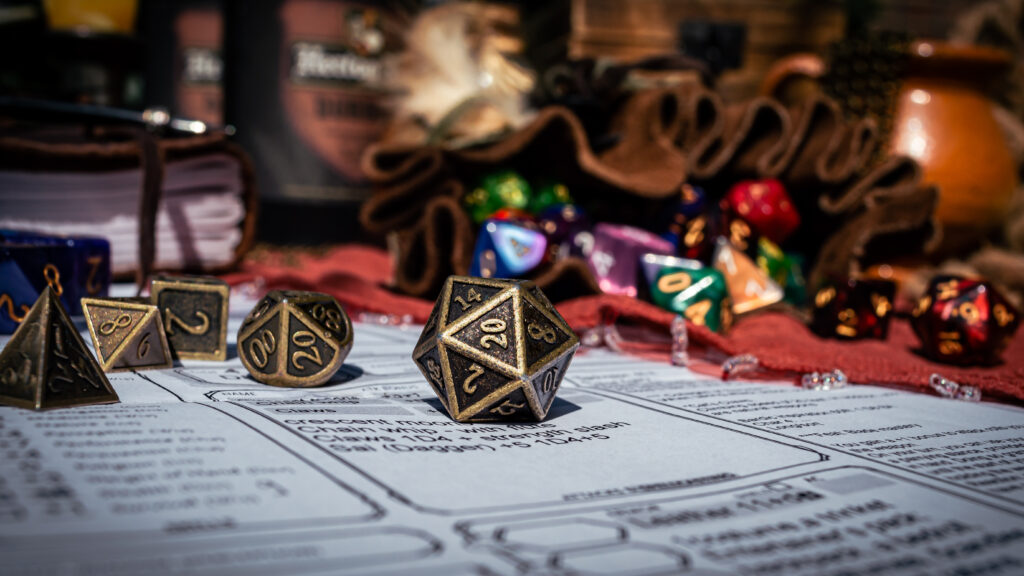
Therapeutically Applied Role-Playing Games (TARPGs) are a form of therapy that uses role-playing games, such as Dungeons & Dragons & Critical Core, as a therapeutic tool to help individuals improve their mental health and well-being. TARPGs can be used to address a wide range of mental health concerns, such as anxiety, depression, trauma, and social skill deficits.
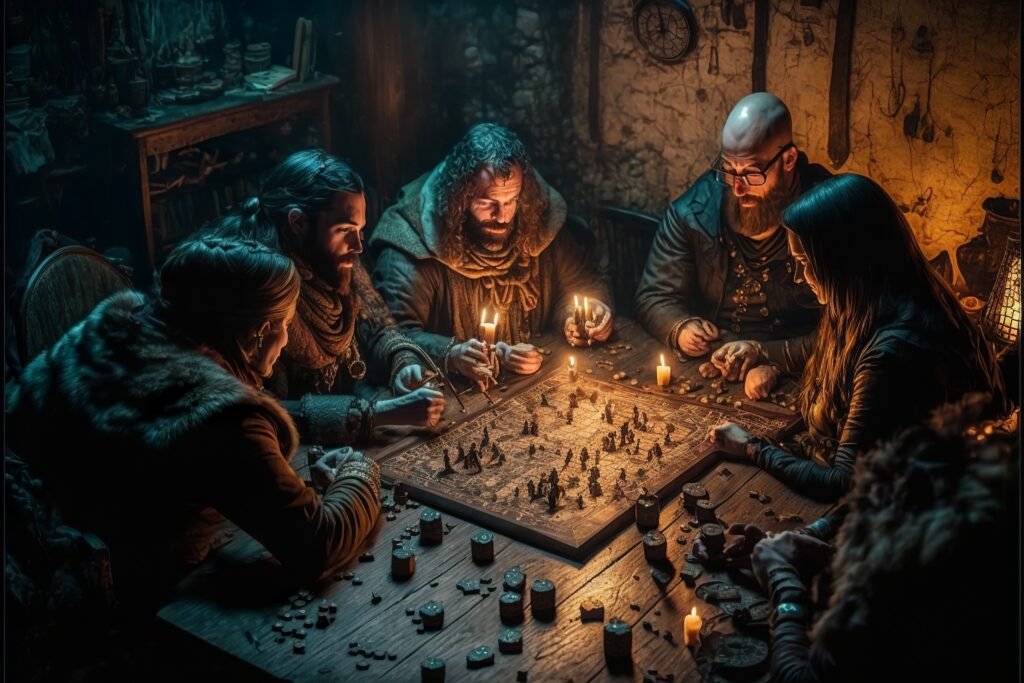
During a TARPG therapy session, a trained therapist works with a group of individuals to engage in a role-playing game. The game typically involves creating a fictional world, characters, and storylines. Each individual in the group assumes the role of a character and interacts with the other characters in the game.
The therapist uses the game to help individuals explore their thoughts, feelings, and behaviors in a safe, non-judgmental environment. The game allows individuals to experience different scenarios, experiment with new behaviors, and practice coping strategies in a low-stakes setting.
TARPGs can be tailored to address specific mental health concerns. For example, a therapist may use a TARPG to help individuals with social anxiety practice communication and social skills. Or, a therapist may use a TARPG to help individuals with trauma process their emotions in a safe, supportive environment.
TARPGs can offer a range of benefits, including:
Improved communication skills: RPGs encourage players to communicate and resolve conflict (Kowert and Oldmeadow 2013). TARPGs can help individuals improve their communication skills, both verbal and non-verbal, as they interact with the other players in the game.
Increased self-awareness: RPGs can encourage perspective-taking (Rivers et al. 2016). TARPGs can help individuals gain a better understanding of their thoughts, feelings, and behaviors as they navigate the game.
Practice coping strategies: TARPGs can provide individuals with a safe environment to practice coping strategies for managing their mental health concerns and can positively impact overall wellbeing (Lehto 2021).
Reduced social isolation: RPGs can enhance social abilities and foster a sense of connection (Davis and Johns 2020). TARPGs can help individuals develop social connections and reduce feelings of loneliness and social isolation.
Enhanced problem-solving skills: TARPGs can help individuals practice problem-solving and decision-making skills as they navigate the game.
This is a direct, streamlined support for individuals that do not need the full array of Comprehensive Behavioral Supports to meet their identified needs.
This service would be appropriate if an individual:
▪has sustained success with current supports but wants to assure maintenance and periodic consult
▪desires a streamlined approach
▪does not need a formal BSP
▪needs would be met with regular opportunity for consultation and training
This service is capped to 3 hours per month.
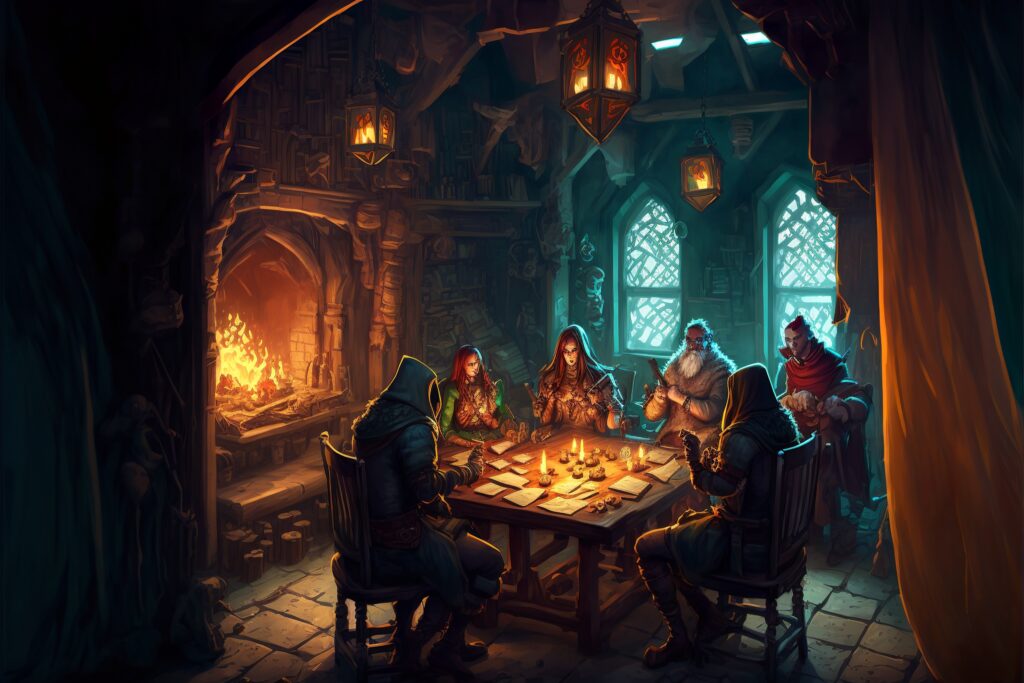
Decades of research and evidence-in-practice proves that our distinctive role-playing game-based therapeutic programs are powerful intervention modalities to help improve the function, mood, efficacy, social skills, and quality of life for people anywhere from 2 years old through senior adults, including a wide range of physical neural differences.
Small Group Program
If you need guidance on how to apply for Indiana’s HCBS Waiver programs or understand available services, our team is ready to guide you and answer your questions.