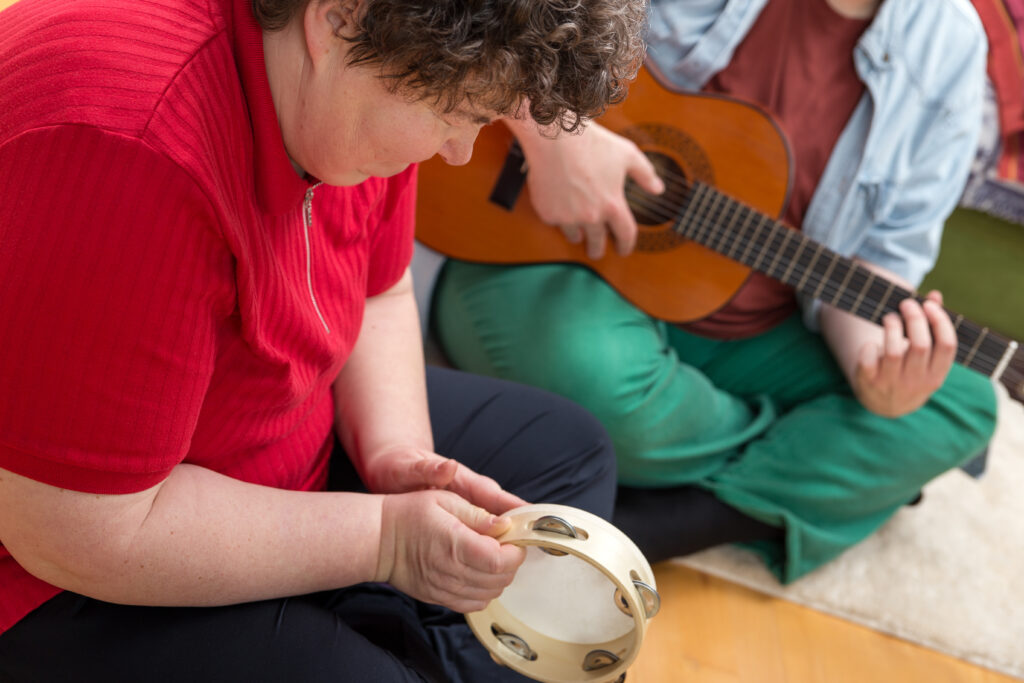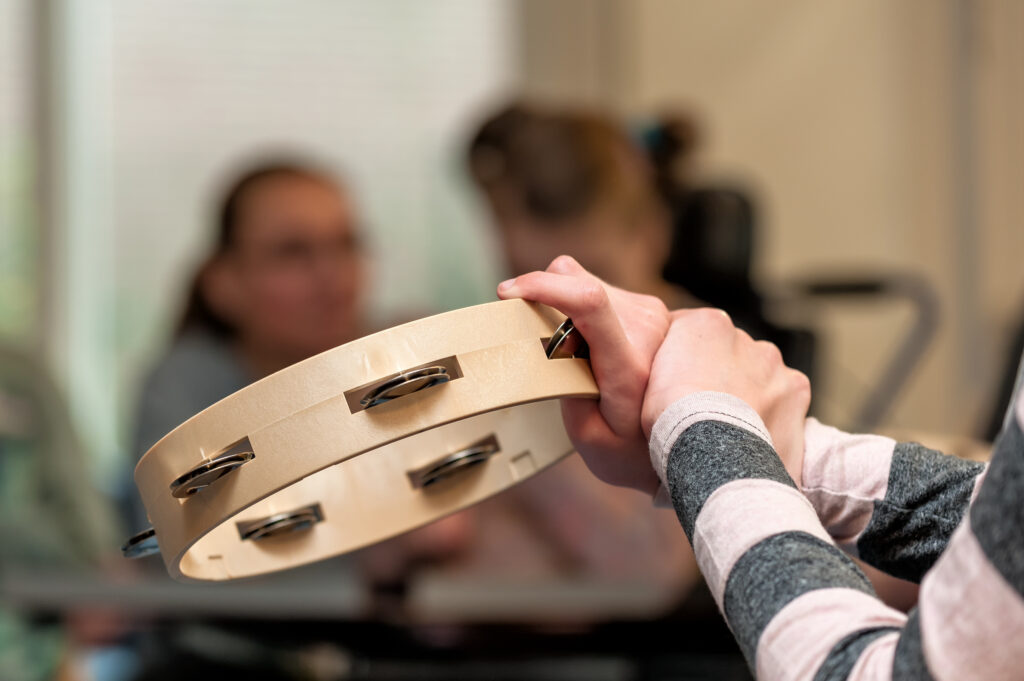
Music therapy is a relationship based therapeutic practice that uses music to address physical, emotional, cognitive, and social needs of individuals. Trained music therapists employ various musical elements like rhythm, melody, harmony, and lyrics to create interventions tailored to a person’s specific needs.
Benefits of music therapy include:
- Emotional Regulation: Music can help individuals manage stress, anxiety, and depression by provoking emotional responses and promoting relaxation.
- Improved Mental Health: It’s been shown to enhance mood, increase self-esteem, and assist in expressing emotions that might be difficult to verbalize.
- Enhanced Cognitive Function: Music can stimulate cognitive processes like memory, attention, and problem-solving abilities. It’s often used in rehabilitation for individuals with neurological conditions like Alzheimer’s or traumatic brain injuries.
- Physical Rehabilitation: Rhythmic auditory stimulation through music can aid in motor skills development, coordination, and movement for people with physical disabilities.
- Social Interaction: Group music-making encourages socialization, teamwork, and communication skills, fostering connections among individuals.
- Pain Management: Music has the potential to alleviate pain by diverting attention from discomfort and promoting relaxation.
- Stress Reduction: Music can reduce cortisol levels and promote relaxation responses, helping individuals manage stress.
- Enhanced Quality of Life: Overall, music therapy contributes to an improved quality of life by addressing various aspects of a person’s well-being.
The purpose of music therapy can vary based on the specific goals of the individual or group participating in the therapy sessions. Its adaptability makes it a valuable tool in various settings including home, schools, healthcare facilities, and community centers.